BIOS 251 Week 7 Virtual Discussion; Understanding Mobility and Stability in Joints
Course: BIOS 251 Anatomy and Physiology I with Lab Institution: Chamberlain University Students Contributor: Chad Michael Format: docx/pptx Pages: 1
Document Preview
Unlock the full 1 document instantly.
Access Full DocumentDocument Overview
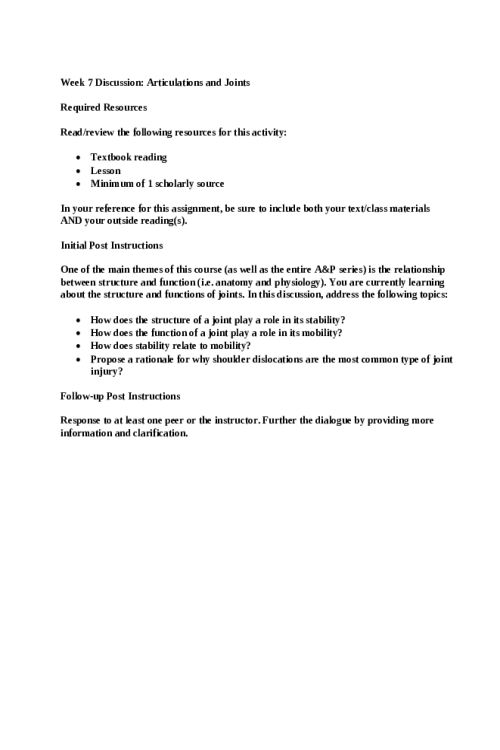
How does stability relate to mobility? Mobility is the joint’s ability to move freely and easily. Stability is the ability to restrict movement. The mobility joints include ankle, hip, thoracic spine, shoulder and wrist. Stability joints include foot, knee, lumbar spine, cervical spine and elbow. There is an inverse relationship between stability and mobility. The more mobile a joint is the less stable it is. If we take the knee joint as an example, there are cases when the knee joint has a reduced range of motion and mobility as a result of an injury that caused it to be damaged. References:
Full content available after purchase or with an active subscription.
- BIOS 251 Week 4 Assignment; Case Study - Tissue
- BIOS 251 Week 3 Assignment; Case Study - Cells
- BIOS 251 Week 3 Virtual Discussion; Cell Structures & Transport
- BIOS 251 Week 3 Case Study; Lysosomes and Development
- BIOS 251 Week 4 Discussion; Histology and Tissue Types
- BIOS 251 Week 5 Exam 2 (Weeks 3 and 4)
- BIOS 251 Week 2 Virtual Discussion; Four Macromolecules Overview
- BIOS 251 Week 4 Virtual discussion
- BIOS 251 Week 5 Reflection (Wks 1-4)
- BIOS 251 Week 6 Discussion; Bone Tissue
- BIOS 251 Week 7 Case Study; Joints.
- BIOS 251 Week 5 Case Study; Integumentary System
Related Products
BIOS 251 Week 4 Assignment; Case Study - Tissue
BIOS 251 Week 3 Assignment; Case Study - Cells

BIOS 251 Week 3 Virtual Discussion; Cell Structures & Transport

BIOS 251 Week 3 Case Study; Lysosomes and Development
BIOS 251 Week 4 Discussion; Histology and Tissue Types
BIOS 251 Week 5 Exam 2 (Weeks 3 and 4)
BIOS 251 Week 2 Virtual Discussion; Four Macromolecules Overview

BIOS 251 Week 4 Virtual discussion
BIOS 251 Week 5 Reflection (Wks 1-4)
BIOS 251 Week 6 Discussion; Bone Tissue
BIOS 251 Week 7 Case Study; Joints.

BIOS 251 Week 5 Case Study; Integumentary System
BIOS 251 Week 7 Virtual Discussion; Joints and Articulations
BIOS 251 Week 2 Case Study; Dehydration & Electrolyte Imbalance Analysis

BIOS 251 Week 5 Exam 2 Study Guide; Integumentary System & Skin Layers
BIOS 251 Week 1 Introduction
BIOS 251 Week 1 Case Study; Understanding Abdominopelvic Quadrants in Appendicitis

BIOS 251 Week 6 Case Study; Bone
BIOS 251 Week 5 Virtual Discussion
BIOS 251 Week 7 Reflection (Wks 5, 6 and 7)
BIOS 251 Week 1 Assignment; Case Study
BIOS 251 Week 6 Virtual Discussion; Functions of the Skeletal System and Fractures

BIOS 251 Week 8 Discussion; Reflection and Looking Ahead
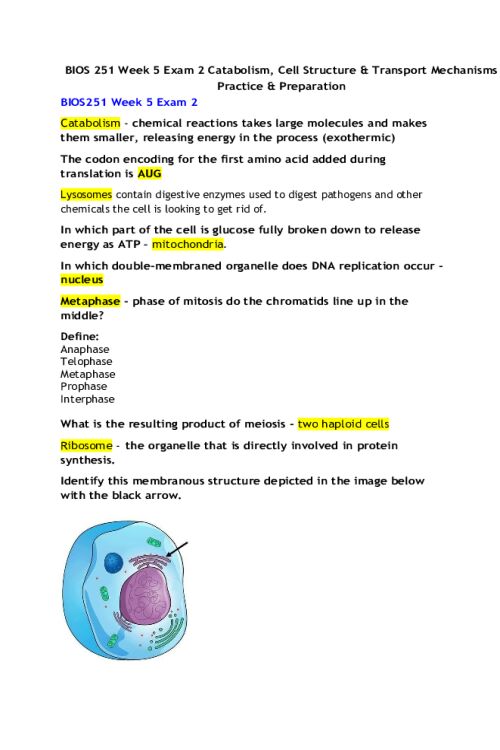
BIOS 251 Week 5 Exam 2 Catabolism, Cell Structure & Transport Mechanisms
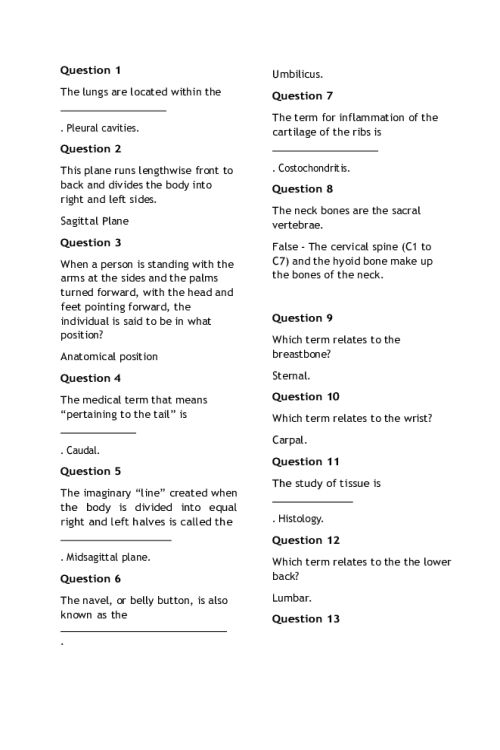
BIOS 251 Week 1 Practice Quiz

BIOS 251 Week 8 Exam 3 Practice Questions
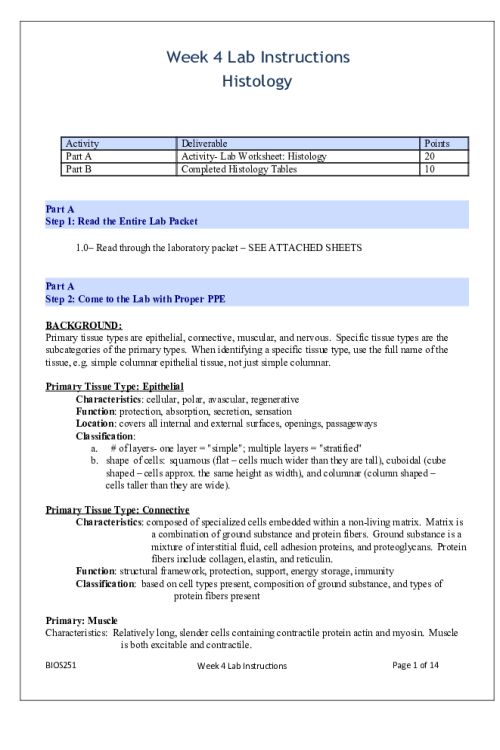
BIOS 251 Week 4 Lab; Histology Activity Guide
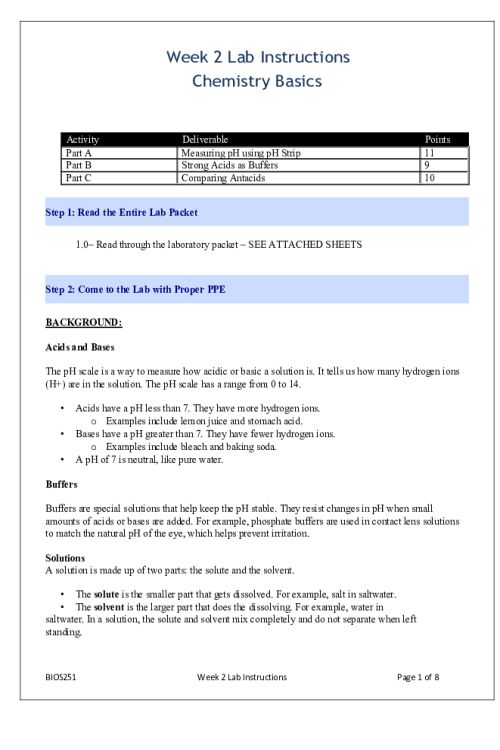
BIOS 251 Week 2 Lab; Measuring pH, Buffers, and Antacid Comparison
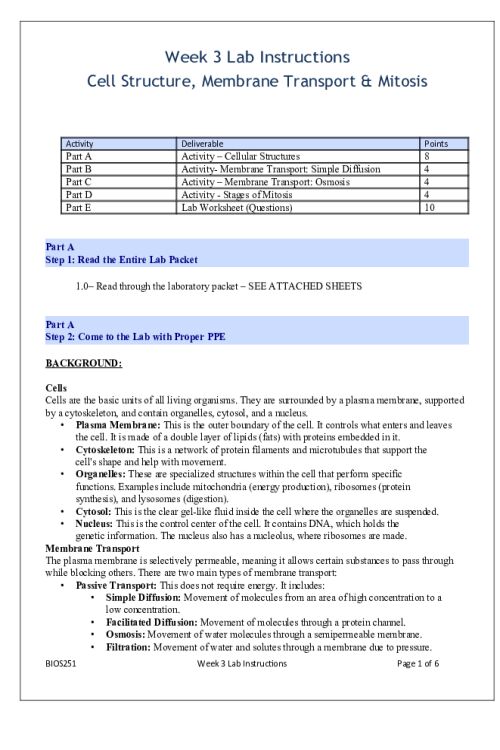
BIOS 251 Week 3 Lab; Cell Structure, Membrane Transport & Mitosis Activities
BIOS 251 Week 7 Online Labs 7; Joints
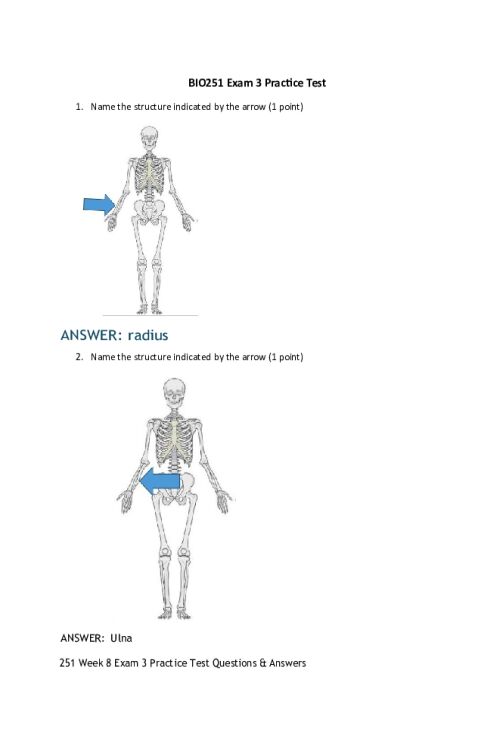
BIOS 251 Week 8 Exam 3 Practice Test Questions & Answers
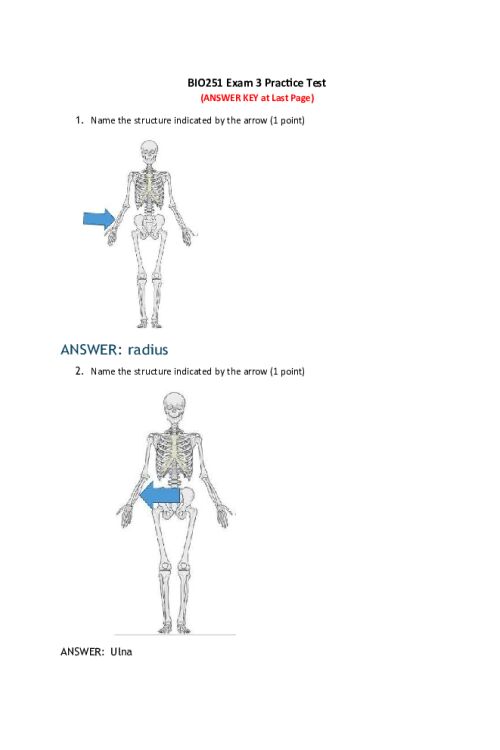
BIOS 251 Week 8 Exam 3 Practice Test
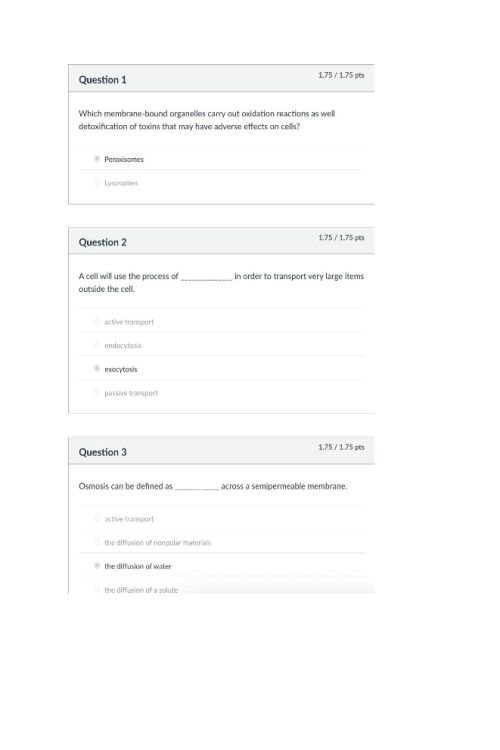
BIOS 251 Week 3 Practice Quiz

BIOS 251 Week 2 Practice Quiz
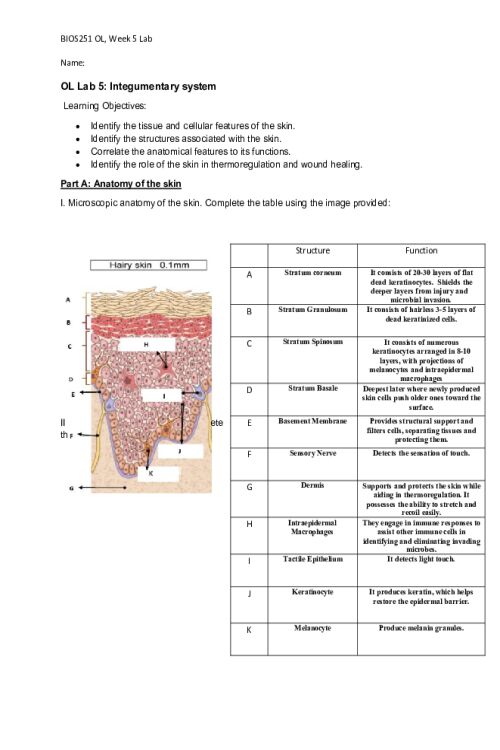
BIOS 251 Week 5 Online Lab; Integumentary system
BIOS 251 Week 1 Virtual Discussion; Homeostasis Feedback Mechanisms
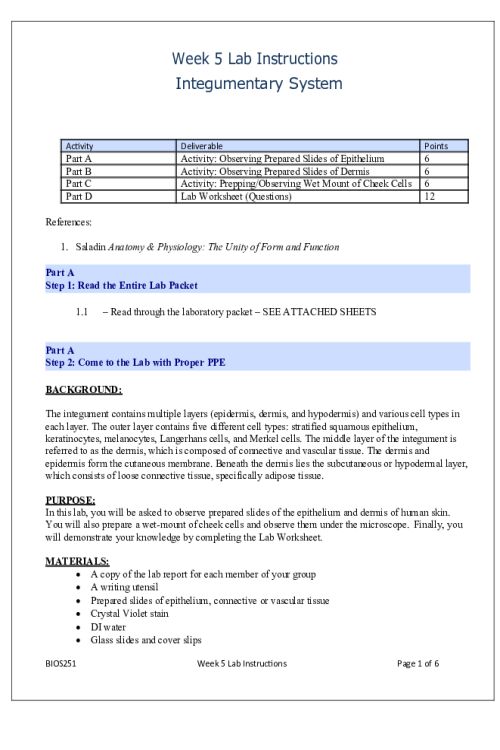
BIOS 251 Week 5 Lab; Integumentary System Observations & Activity Guide
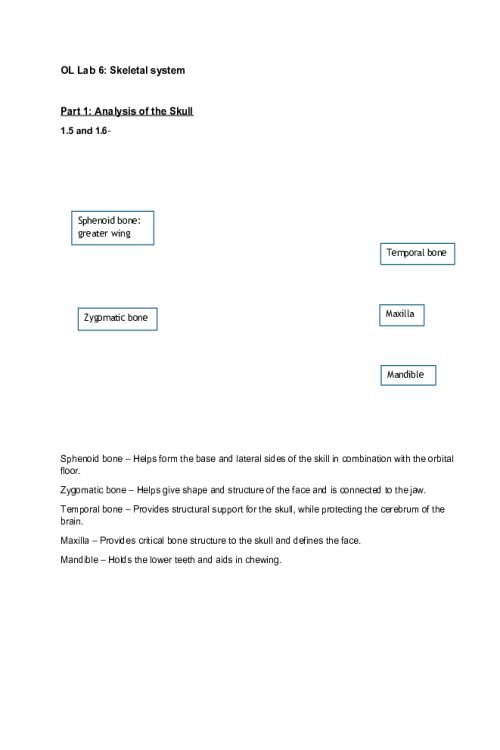
BIOS 251 Week 6 Virtual Lab - Skeletal System - Grade 30 out 30
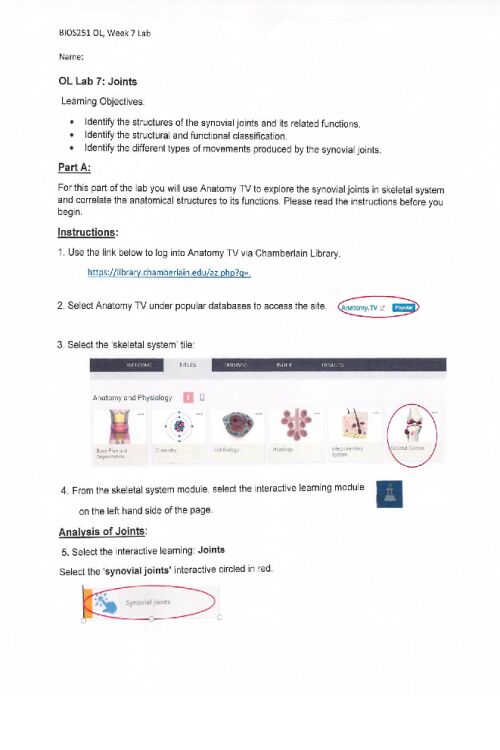
BIOS 251 Week 7 Lab; Exploring Synovial Joints and Movements
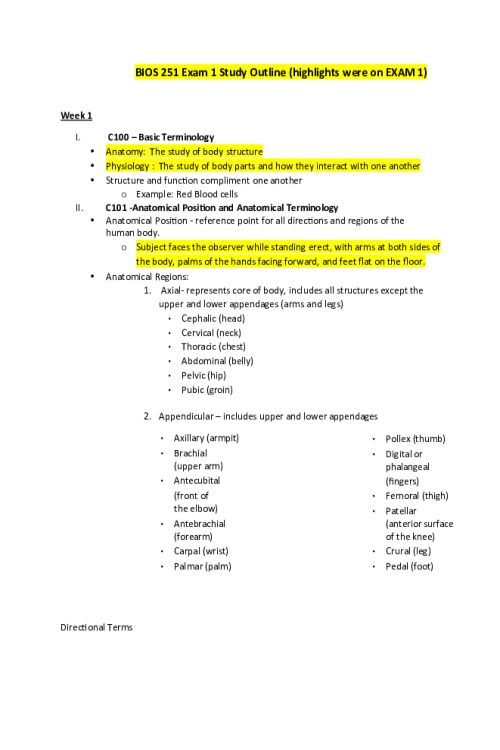
BIOS 251 Week 3 Exam 1 Study Outline
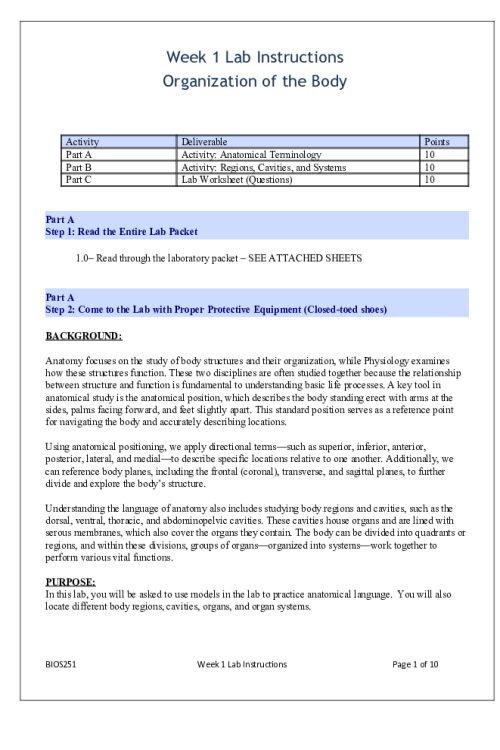
BIOS 251 Week 1 Lab; Anatomical Terminology & Body Organization
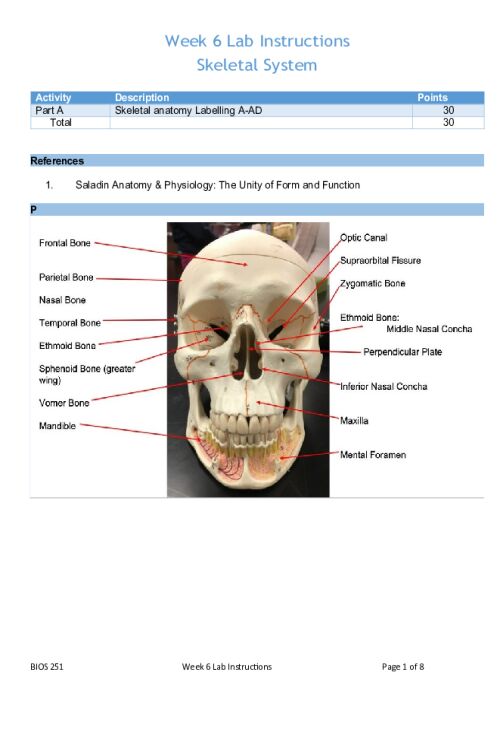
BIOS 251 Week 6 Lab; Skeletal System Activity
Academic Use Notice: This resource is provided strictly as study support material to help students review concepts, understand topic structure, and prepare their own original academic work responsibly. It is not intended to be submitted directly as a student's own work.