BIOS 252 Week 2 Online Lab; Nervous System - Introduction
Course: BIOS 252 Anatomy and Physiology II with Lab Institution: Chamberlain University Students Contributor: Michael Olise Format: docx/pptx Pages: 4
Document Preview
Unlock the full 4 document instantly.
Access Full DocumentDocument Overview
Natasha Ngong Chamberlain University College of Nursing BIOS 252: Anatomy and Physiology II Professor Horn July 21, 2024 Week 2: Nervous System Lab Report List the components of the central nervous system vs the peripheral nervous system. (1 point; ½ point each) CNS: The brain, brain stem, and the spinal cord. To specify the spinal cord, the medulla, the pons, the cerebellum, the midbrain, the diencephalon, and the cerebral hemispheres PNS: Peripheral nerves, neuromuscular junctions, cranial nerves, and spinal nerves. Compare and contrast the following parts of the peripheral NS utilizing the
Full content available after purchase or with an active subscription.
- BIOS 252 Week 7 Case Study; Hyperthyroidism (Grave s Disease)
- BIOS 252 Week 4 Online Lab; Nervous System-Brain, Cranial nerves, and ANS
- BIOS 252 Week 1 Case Study; Anterior Compartment Syndrome
- BIOS 252 Week 6 Case Study; Endocrine System.
- BIOS 252 Week 2 Case Study; Multiple Sclerosis
- BIOS 252 Week 2 Discussion; Nervous System
- BIOS 252 Week 4 Case Study; Stroke (Cerebrovascular Accident)
- BIOS 252 Week 3 Case Study; Spinal Cord Injury
- BIOS 252 Week 1 Online Lab; Muscular System
- BIOS 252 Week 3 Online Lab; Nervous System Lab Report
- BIOS 252 Week 7 Online Lab; Endocrine System Lab
- BIOS 252 Week 5 Online Lab; Nervous System - Sensation
Related Products
BIOS 252 Week 7 Case Study; Hyperthyroidism (Grave s Disease)
BIOS 252 Week 4 Online Lab; Nervous System-Brain, Cranial nerves, and ANS
BIOS 252 Week 1 Case Study; Anterior Compartment Syndrome
BIOS 252 Week 6 Case Study; Endocrine System.
BIOS 252 Week 2 Case Study; Multiple Sclerosis
BIOS 252 Week 2 Discussion; Nervous System
BIOS 252 Week 4 Case Study; Stroke (Cerebrovascular Accident)
BIOS 252 Week 3 Case Study; Spinal Cord Injury
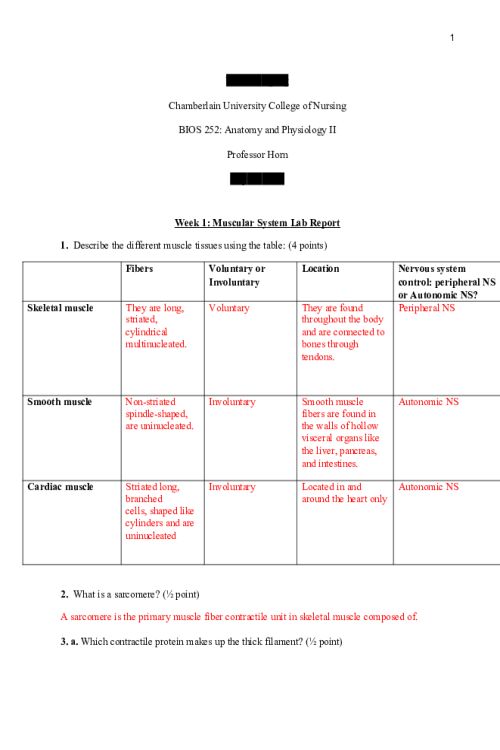
BIOS 252 Week 1 Online Lab; Muscular System
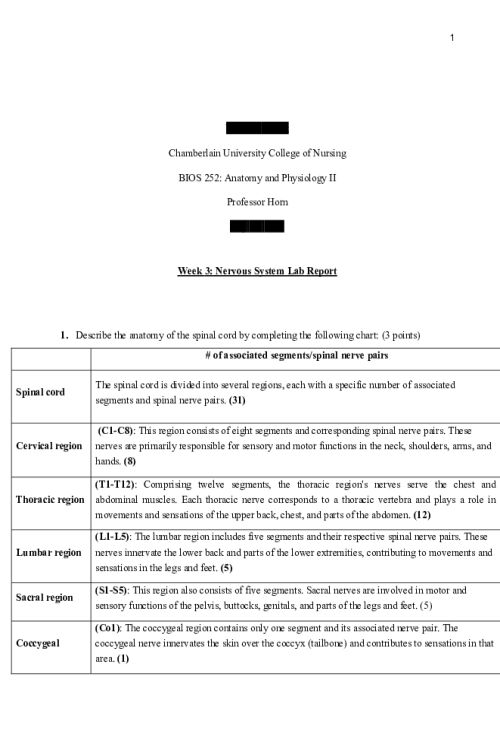
BIOS 252 Week 3 Online Lab; Nervous System Lab Report
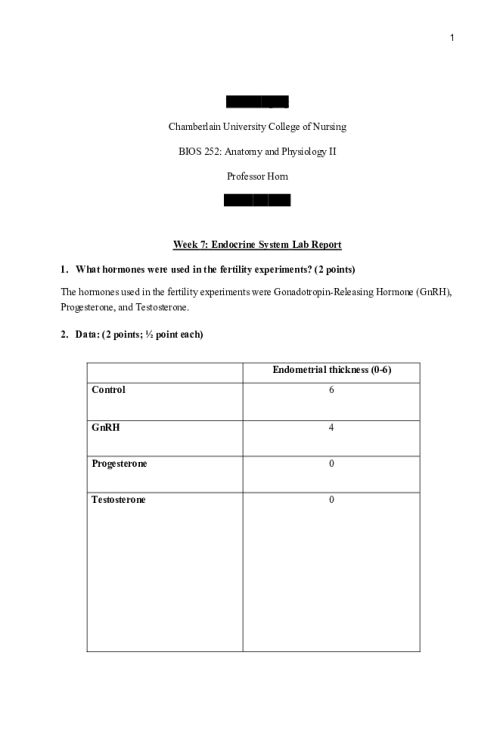
BIOS 252 Week 7 Online Lab; Endocrine System Lab
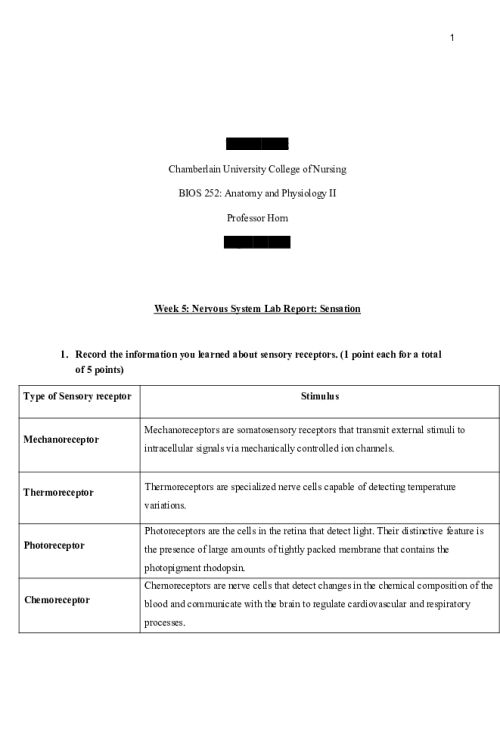
BIOS 252 Week 5 Online Lab; Nervous System - Sensation
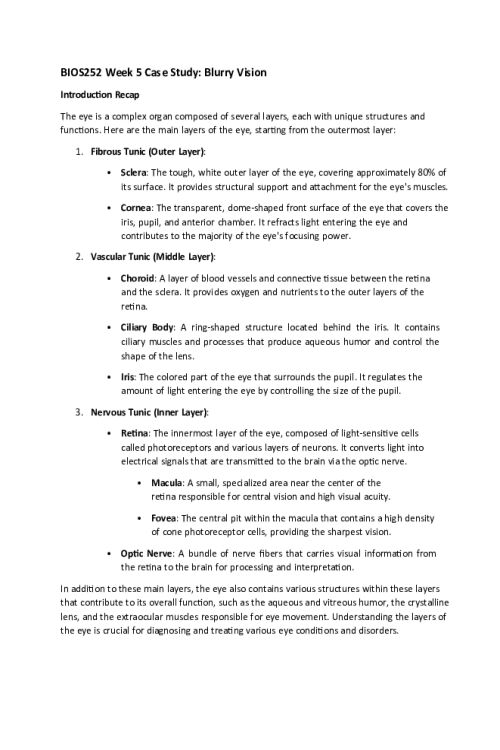
BIOS 252 Week 5 Case Study; Blurry Vision.
Academic Use Notice: This resource is provided strictly as study support material to help students review concepts, understand topic structure, and prepare their own original academic work responsibly. It is not intended to be submitted directly as a student's own work.