BIOS 252 Week 5 Case Study; Blurry Vision.
Course: BIOS 252 Anatomy and Physiology II with Lab Institution: Chamberlain University Students Contributor: Michael Olise Format: docx/pptx Pages: 5
Document Preview
Unlock the full 5 document instantly.
Access Full DocumentDocument Overview
BIOS252 Week 5 Case Study: Blurry Vision Introduction Recap The eye is a complex organ composed of several layers, each with unique structures and functions. Here are the main layers of the eye, starting from the outermost layer: Fibrous Tunic (Outer Layer): Sclera: The tough, white outer layer of the eye, covering approximately 80% of its surface. It provides structural support and attachment for the eye's muscles. Cornea: The transparent, dome-shaped front surface of the eye that covers the iris, pupil, and anterior chamber. It refracts light entering the eye and contributes to the majority
Full content available after purchase or with an active subscription.
- BIOS 252 Week 7 Case Study; Hyperthyroidism (Grave s Disease)
- BIOS 252 Week 4 Online Lab; Nervous System-Brain, Cranial nerves, and ANS
- BIOS 252 Week 1 Case Study; Anterior Compartment Syndrome
- BIOS 252 Week 6 Case Study; Endocrine System.
- BIOS 252 Week 2 Case Study; Multiple Sclerosis
- BIOS 252 Week 2 Discussion; Nervous System
- BIOS 252 Week 4 Case Study; Stroke (Cerebrovascular Accident)
- BIOS 252 Week 3 Case Study; Spinal Cord Injury
- BIOS 252 Week 1 Online Lab; Muscular System
- BIOS 252 Week 3 Online Lab; Nervous System Lab Report
- BIOS 252 Week 7 Online Lab; Endocrine System Lab
- BIOS 252 Week 5 Online Lab; Nervous System - Sensation
Related Products
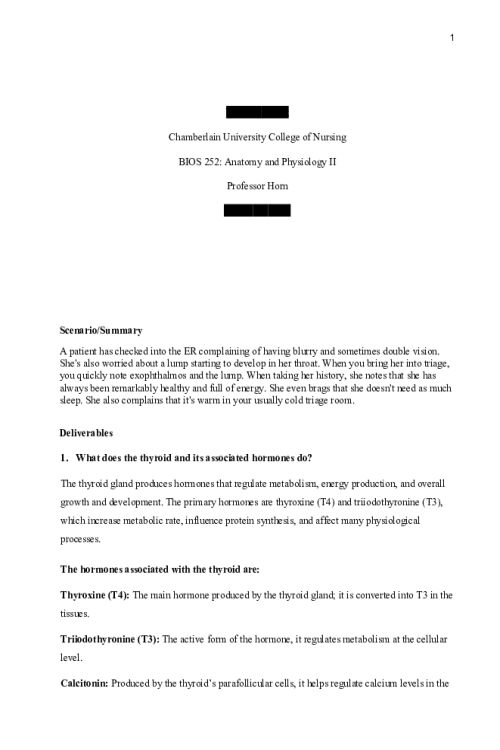
BIOS 252 Week 7 Case Study; Hyperthyroidism (Grave s Disease)
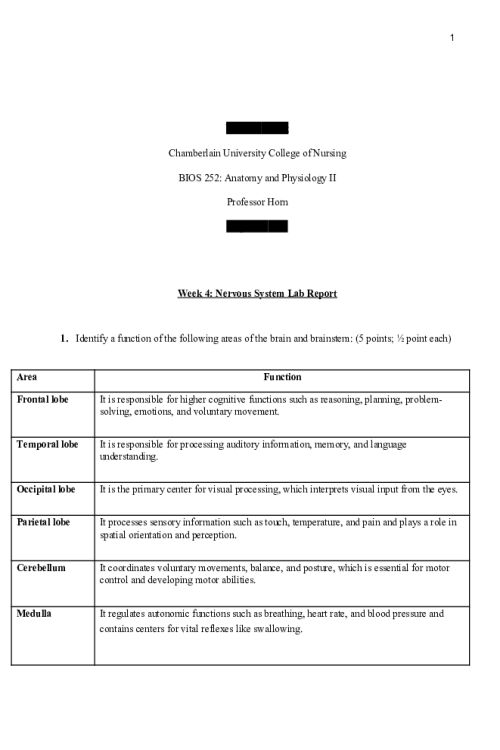
BIOS 252 Week 4 Online Lab; Nervous System-Brain, Cranial nerves, and ANS
BIOS 252 Week 1 Case Study; Anterior Compartment Syndrome
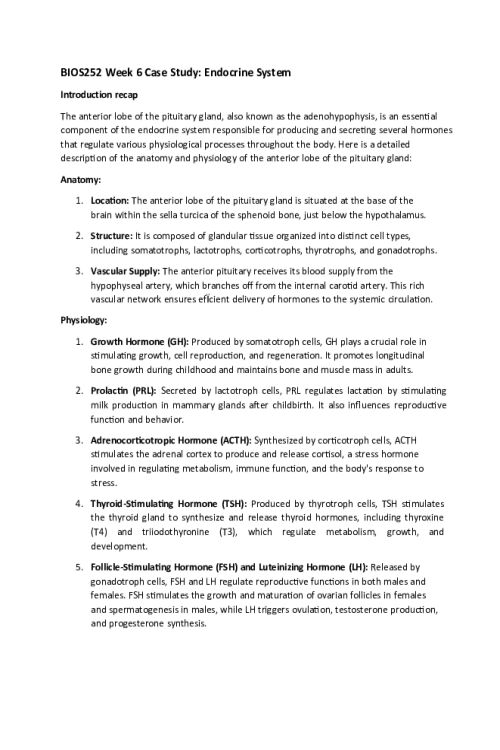
BIOS 252 Week 6 Case Study; Endocrine System.
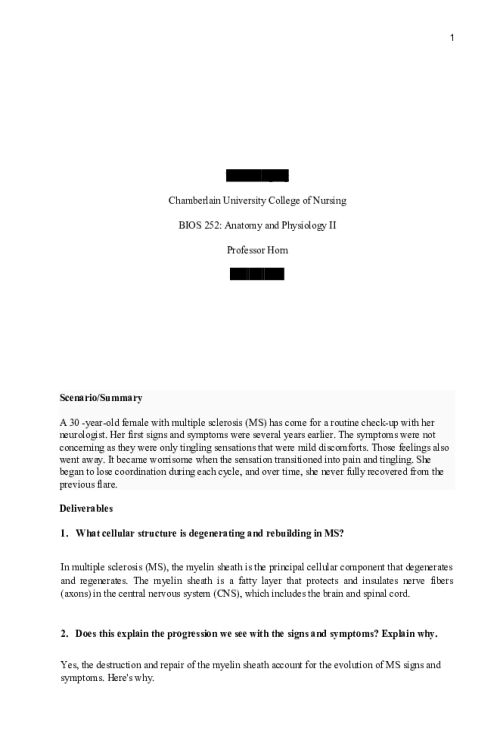
BIOS 252 Week 2 Case Study; Multiple Sclerosis
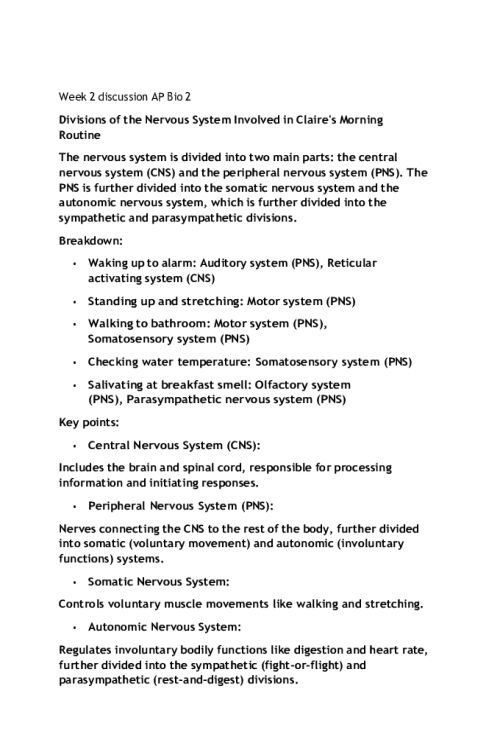
BIOS 252 Week 2 Discussion; Nervous System
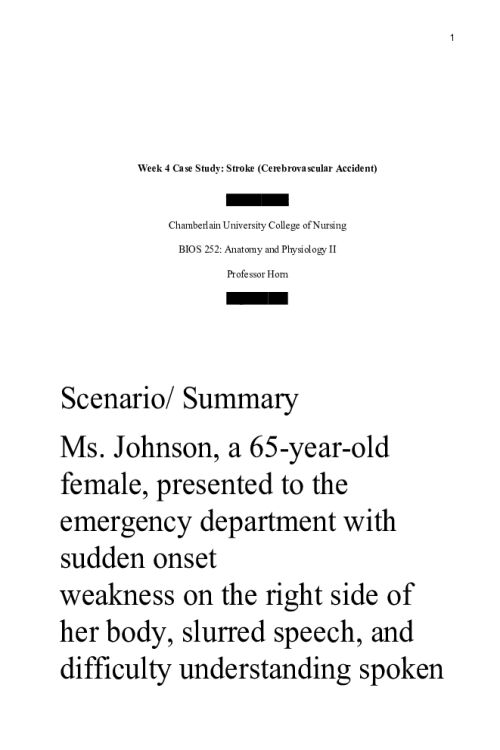
BIOS 252 Week 4 Case Study; Stroke (Cerebrovascular Accident)
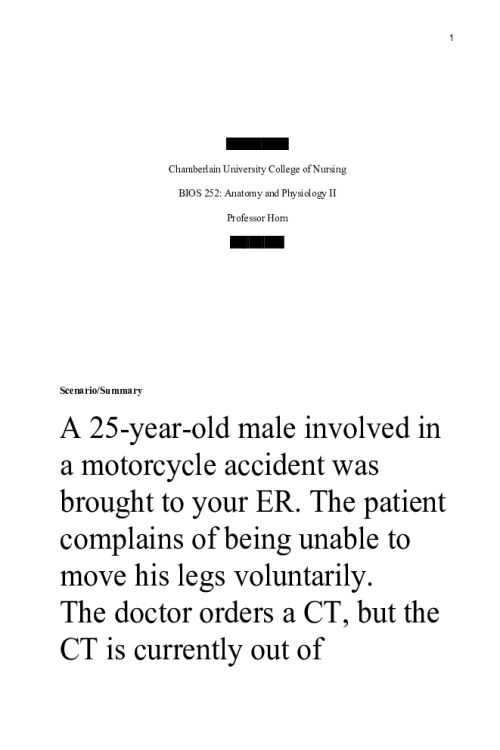
BIOS 252 Week 3 Case Study; Spinal Cord Injury
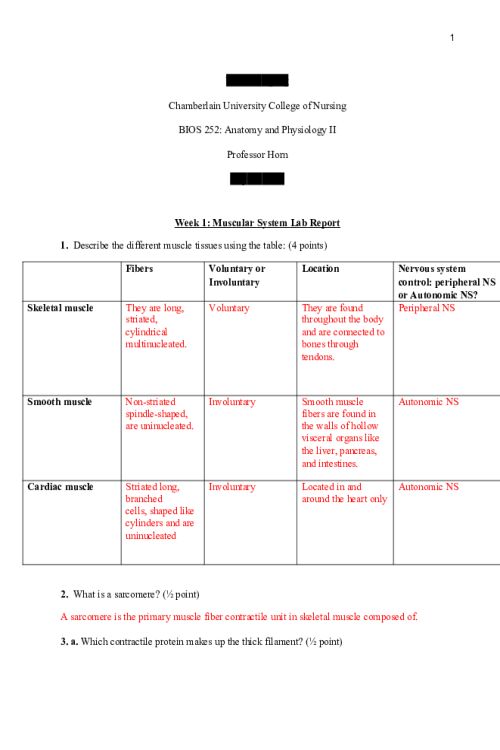
BIOS 252 Week 1 Online Lab; Muscular System
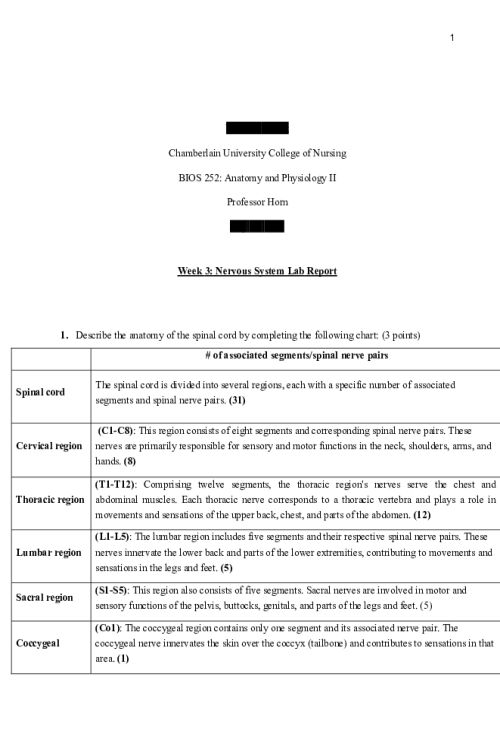
BIOS 252 Week 3 Online Lab; Nervous System Lab Report
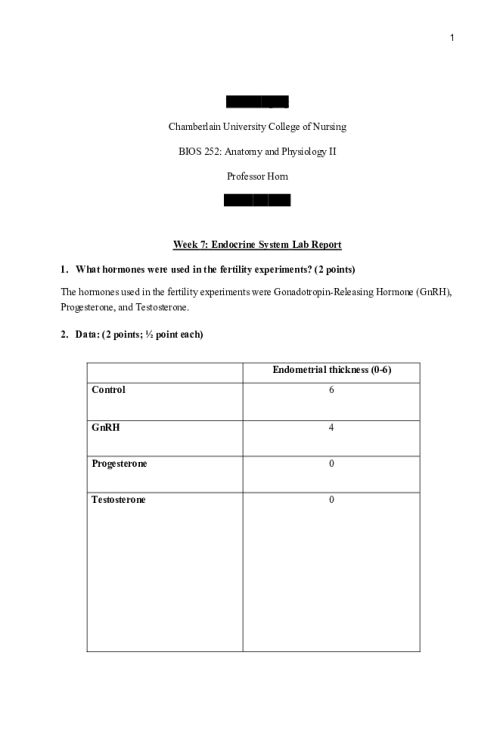
BIOS 252 Week 7 Online Lab; Endocrine System Lab
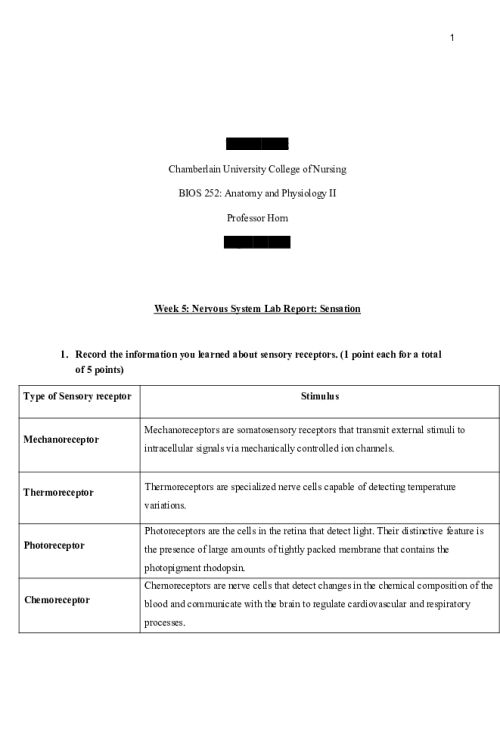
BIOS 252 Week 5 Online Lab; Nervous System - Sensation
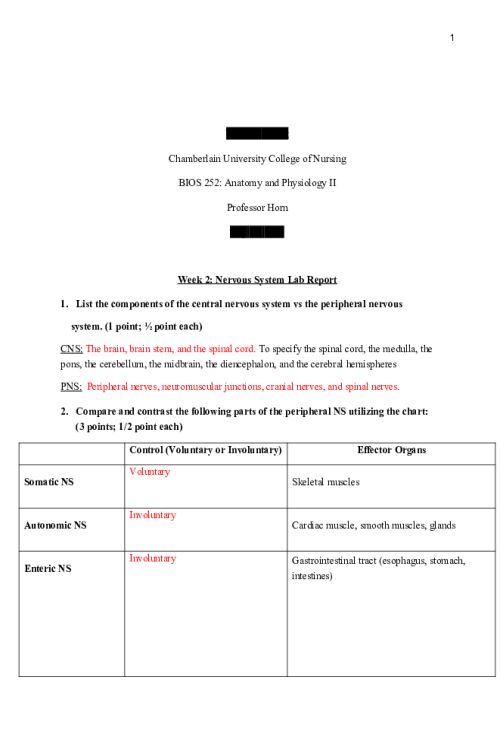
BIOS 252 Week 2 Online Lab; Nervous System - Introduction
Academic Use Notice: This resource is provided strictly as study support material to help students review concepts, understand topic structure, and prepare their own original academic work responsibly. It is not intended to be submitted directly as a student's own work.